




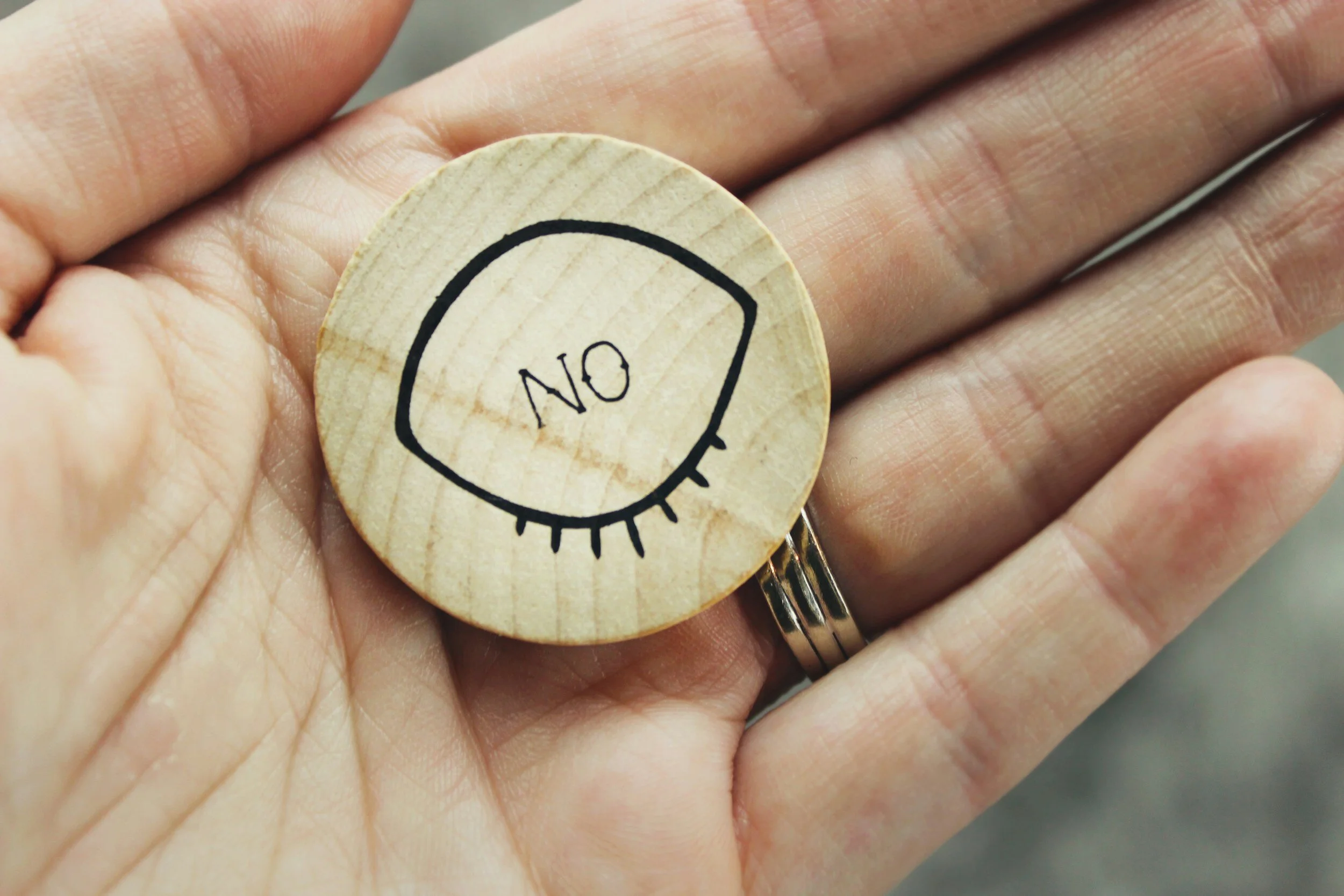
In a world that often glorifies being constantly available, agreeable, and endlessly productive, saying “no” can feel uncomfortable—even wrong. From declining social invites to turning down work projects, many of us struggle with the fear of disappointing others or missing opportunities. But the ability to say “no” is far from negative. In fact, it’s one of the most empowering tools you can develop for protecting your time, energy, and overall well-being.
Why Saying “Yes” All the Time Becomes a Problem
We often say “yes” out of habit, politeness, or fear of judgment. Whether it’s accepting extra work when you’re already overwhelmed or agreeing to social plans when you’d rather rest, the inability to decline can lead to resentment, burnout, and a loss of self-respect. Over time, constantly saying “yes” chips away at your priorities and pushes your needs to the bottom of the list.
While people-pleasing might bring short-term relief or praise, it usually leads to long-term stress. The truth is, you can’t do everything—and trying to please everyone means you’ll end up pleasing no one, least of all yourself.
Boundaries Are Not Walls—They’re Bridges
Setting boundaries doesn’t mean shutting people out or being selfish. It means being honest about what you need in order to be your best self. Boundaries are guidelines that help you define what you’re comfortable with, what you can realistically take on, and where your responsibilities end.
When clearly communicated, boundaries actually strengthen relationships. They eliminate guesswork and reduce misunderstandings. Whether it’s setting office hours with colleagues or asking for quiet time at home, boundaries create mutual respect and foster healthier connections.
How “No” Becomes a Tool for Growth
Saying “no” can be deeply empowering because it signals to yourself and others that your time, energy, and well-being matter. When you say “no” to something that doesn’t align with your goals or values, you’re making space for what does. This clarity allows you to grow in areas that truly fulfill you—whether it’s investing time in your passions, nurturing close relationships, or simply getting the rest you need.
You also become more intentional. Rather than reacting to life, you begin to shape it. You choose where your energy goes, which opportunities to pursue, and how to maintain balance. It’s in that space that real personal development happens.
The Guilt Trap—and How to Escape It
Many people associate saying “no” with guilt, especially if they’ve been raised to be helpful or agreeable. But guilt doesn’t mean you’ve done something wrong. It simply signals that you’re challenging old patterns or beliefs. Instead of letting guilt guide your actions, pause and ask yourself: “Am I saying ‘yes’ because I truly want to—or because I feel like I have to?”
Remind yourself that you have a right to prioritize your own needs. Saying “no” doesn’t make you unkind; it makes you honest. You can decline respectfully and compassionately, without apology or over-explaining.
Practical Ways to Say “No” with Confidence
Learning to say “no” starts with small steps. Begin by identifying what you value most—your time with family, your health, your focus at work—and assess whether your commitments support those values. If not, practice responses like:
- “I appreciate the offer, but I’m unable to commit right now.”
- “Thanks for thinking of me. That’s not something I can take on at the moment.”
- “No, thank you. I need to prioritize other things right now.”
The more you practice, the easier it becomes. With time, you’ll stop viewing “no” as a rejection and start seeing it as an act of self-respect.
Final Thoughts
Saying “no” isn’t about shutting doors—it’s about opening the right ones. It’s about making choices that support your growth, protect your peace, and honor your time. When you set boundaries and speak up for your needs, you create a life that’s not just full—but fulfilling. And that’s a power worth embracing.
Here are some helpful resources to explore :
https://www.autoviews.com.au/
https://www.cartalks.com.au/
https://www.truepress.com.au/
https://www.primepost.com.au/
https://www.financewire.com.au/
https://www.investorsdesk.com.au/
https://financejournal.com.au
https://digitalechnology.ca/
https://technologyresearch.ca/
https://healthindustry.ca/
https://businessledger.ca/
https://bankingandfinance.ca/
https://businessinvesting.ca/
https://travelandtour.ca/
https://worldtraveltour.us/
https://topeducations.us/
https://betterthisworld.co.uk/
https://avstarnews.co.uk/
https://digitalbeanstalk.com.au/
https://designoutdoorblinds.com.au/
https://piechartscanbepizzas.com.au/
https://heatherhawk.com.au/
https://trellisdesignlab.com.au/
https://pakoasianstore.com.au/
https://solucorplegal.com/
https://christiangayschat.com/
https://masnews.org/
https://Forlicoupon.it/
https://teenladysex.com/
https://limzpoker.com/
https://hfhmjhome.com/
https://donacopoker.org/
https://goodgood.me/
https://invsys.co.uk/
https://nsteam.org/
https://fashiontrendlook.com/
https://bundallecc.com.au/
https://ywitg.com.au/
https://lhospital.org/
https://cupihd.org/
https://ungroundedthinking.com/
https://pokerdiamond.net/
https://arwanapoker.org/
https://fossiloftheday.com/
https://lamentable.org/
https://plateaustategov.org/
https://verlindenswa.com.au/