



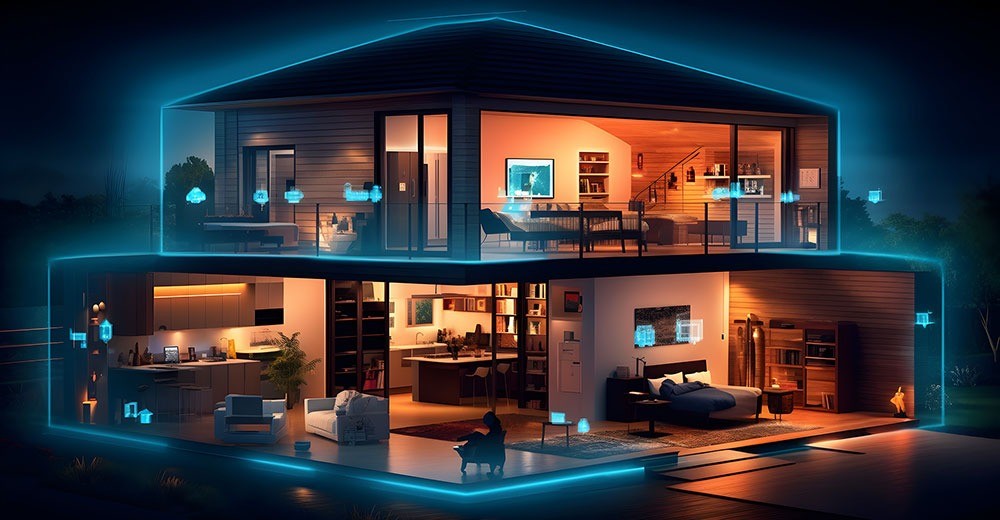
In today’s digital age, integrating technology into home design is not just about adding convenience but also about enhancing comfort, efficiency, and security. Here’s a comprehensive guide on how to seamlessly incorporate technology into your home design:
1. Smart Lighting
Smart lighting systems offer both functionality and flexibility. With features like adjustable brightness, color changes, and remote control via smartphone apps, you can set the perfect mood or automate lighting schedules. Brands like Philips Hue and LIFX offer systems that are easy to install and integrate with other smart home devices.
How to Incorporate:
- Install smart bulbs or smart light switches.
- Use voice-activated assistants like Amazon Alexa or Google Assistant to control your lights.
- Set up automated lighting schedules for different times of the day or specific activities.
2. Home Automation Systems
Home automation systems allow you to control various aspects of your home from a central hub. This includes lighting, temperature, security systems, and even appliances. Systems like Google Nest, Apple HomeKit, and Samsung SmartThings offer robust solutions for home automation.
How to Incorporate:
- Choose a central hub that is compatible with most of your smart devices.
- Integrate it with your existing devices and appliances.
- Create automation routines, such as setting the thermostat to adjust when you leave or arrive home.
3. Smart Thermostats
Smart thermostats, like the Nest Learning Thermostat or Ecobee, not only allow you to control the temperature remotely but also learn your preferences over time to optimize energy usage. They can lead to significant savings on your energy bills while maintaining a comfortable home environment.
How to Incorporate:
- Replace your traditional thermostat with a smart thermostat.
- Connect it to your home’s Wi-Fi network.
- Set up and adjust temperature settings via a mobile app or voice command.
4. Home Security Systems
Modern home security systems offer advanced features such as smart cameras, motion detectors, and smart locks. Systems like Ring and Arlo provide real-time video feeds and notifications, giving you peace of mind whether you’re at home or away.
How to Incorporate:
- Install smart cameras at key entry points around your home.
- Set up smart locks on doors to allow keyless entry and remote locking/unlocking.
- Integrate with your home automation system for cohesive security management.
5. Smart Appliances
Smart appliances, such as refrigerators, ovens, and washing machines, come with features that can be controlled remotely or programmed to fit your schedule. These appliances not only add convenience but also improve energy efficiency.
How to Incorporate:
- Choose appliances with smart capabilities.
- Connect them to your home network.
- Use their apps to monitor and control functions like temperature settings, cooking times, and washing cycles.
6. Home Entertainment Systems
Integrate technology into your home entertainment with smart TVs, streaming devices, and high-quality audio systems. These devices can be controlled via voice commands or smartphone apps, making it easier to enjoy movies, music, and games.
How to Incorporate:
- Install a smart TV or connect a streaming device like Roku or Amazon Fire Stick.
- Set up a multi-room audio system with speakers that can be controlled from a single app.
- Use universal remotes or voice assistants to control various entertainment devices.
7. Voice Assistants
Voice assistants like Amazon Alexa, Google Assistant, and Apple Siri can be used to control other smart devices, set reminders, play music, and answer questions. They serve as a central point of interaction for many smart home systems.
How to Incorporate:
- Place voice assistant devices in key areas of your home.
- Connect them to your smart home systems to control devices via voice commands.
- Customize voice routines and commands for tasks such as turning off lights or adjusting the thermostat.
8. Smart Blinds and Curtains
Automated blinds and curtains can be programmed to open and close at specific times or based on sunlight levels. They help in managing natural light, improving energy efficiency, and enhancing privacy.
How to Incorporate:
- Install smart blinds or curtains that are compatible with your home automation system.
- Set schedules for opening and closing based on your daily routine.
- Integrate with sunlight sensors to adjust according to the intensity of natural light.
9. Smart Home Hubs
A smart home hub acts as the central controller for all your smart devices, enabling them to work together seamlessly. It can help manage routines, monitor device status, and provide a unified interface for home management.
How to Incorporate:
- Choose a smart home hub that supports a wide range of devices and protocols.
- Connect your smart devices to the hub.
- Use the hub’s app to create automation rules and manage your devices.
10. Energy Monitoring
Smart energy monitors track your home’s energy usage and provide insights into how to reduce consumption. They can help identify energy hogs and suggest ways to improve efficiency.
How to Incorporate:
- Install an energy monitoring system that integrates with your home’s electrical system.
- Monitor energy usage through a mobile app or web interface.
- Use the data to make informed decisions about energy-saving measures.
Incorporating technology into your home design not only enhances your living space but also provides convenience, security, and efficiency. By thoughtfully integrating these smart solutions, you can create a modern, comfortable, and well-managed home.