



When disaster strikes—whether from water, fire, mold, or biohazards—restoring a property isn’t just about cleaning and repairing what’s visible. It’s a precise process grounded in science, combining environmental safety, engineering knowledge, and cutting-edge technology. What truly sets seasoned restoration professionals apart is their ability to apply scientific principles to detect hidden threats, restore structural integrity, and ensure long-term safety. A knowledgeable restoration company applies scientific methods and advanced diagnostics to ensure that every aspect of damage—seen and unseen—is thoroughly addressed and resolved.
Let’s explore the science behind property restoration and what differentiates experts from general contractors or DIY efforts.
1. Moisture Mapping And Psychrometry
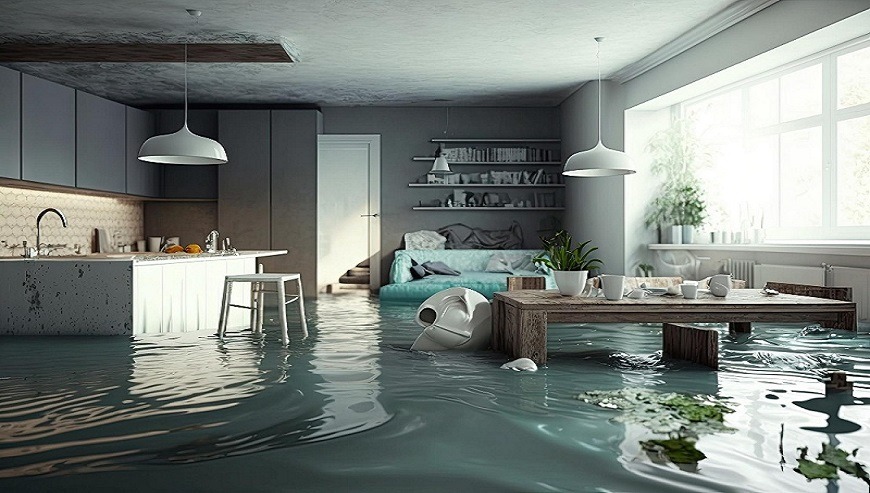
Water damage restoration is a complex scientific endeavor. Simply removing visible water isn’t enough. Professionals use moisture mapping to track how water travels through porous materials like drywall, wood, and flooring. If left unchecked, these concealed moisture pockets can develop into mold or rot.
Restoration specialists use hygrometers, thermal imaging cameras, and moisture meters to detect these areas. They also apply psychrometry—the study of air, temperature, and humidity relationships—to optimize drying conditions. Air movers and dehumidifiers are positioned carefully to provide the proper temperature and airflow for total evaporation.
2. Air Quality And Contaminant Control
After a fire or mold outbreak, the air within a property can become hazardous. Fine particles like soot or mold spores linger in the air and can spread throughout HVAC systems. Restoration experts apply scientific testing to assess air quality and remove contaminants.
They often use HEPA (High-Efficiency Particulate Air) filtration systems, which capture particles as small as 0.3 microns, and negative air machines to prevent cross-contamination. Air scrubbers, ozone treatments, and hydroxyl generators further neutralize odors and purify the environment.
3. Mold Remediation Using Microbial Science
Mold is a living organism, and its removal requires more than surface cleaning. Experts must understand mycology, the study of fungi, to identify different mold types and determine the proper treatment. Some strains are toxic and pose severe health risks.
Professionals perform air and surface testing to measure spore counts and use antimicrobial agents scientifically formulated to neutralize and prevent regrowth. They also contain the affected area using negative pressure and barrier systems to avoid spore spread during remediation.
4. Structural Analysis And Building Science
After a disaster, assessing a building’s structural integrity is critical. Restoration professionals are trained in building science, which examines how heat, air, and moisture interact within the built environment. This helps them determine whether materials like beams, joists, or foundations have been compromised by fire, water, or mold.
They evaluate load-bearing structures, insulation, wall cavities, and more. Their decisions on what to repair, reinforce, or replace are informed by scientific diagnostics rather than guesswork.
5. Material Science And Proper Restoration Methods
Not all materials respond the same way to fire, water, or chemicals. For instance, hardwood floors may warp, while laminate may delaminate. Experts understand material science and apply the correct methods to clean or restore different surfaces without causing further damage.
Using PH-balanced cleaners for delicate surfaces, specific detergents for smoke damage, or enzyme-based cleaners for biological contamination are all examples of science-based decision-making.
6. Advanced Technology And Data-Driven Decisions
Professionals in restoration use technology extensively these days. From thermal imaging to digital moisture readings, every step is recorded and analyzed. This data-driven approach ensures transparency with clients and insurance adjusters while also confirming that health and safety standards are met.
Cutting-edge tools help technicians verify when a property is truly dry, structurally sound, and free of contaminants, giving clients confidence that their home or business is genuinely restored, not just superficially cleaned.
7. Continuous Education And Certifications
Another key factor that sets professionals apart is their commitment to ongoing education. Certifications from groups like the Institute of Inspection, Cleaning, and Restoration Certification (IICRC) are common among restoration experts. These programs provide training in microbiology, environmental science, building systems, and more.
Staying up to date with the latest restoration science, technology, and safety protocols allows experts to deliver consistent, reliable results that general laborers or untrained crews simply can’t match.
Conclusion
Restoring a damaged property is as much a scientific operation as it is a practical one. From measuring humidity and eliminating toxins to understanding structural loads and mold biology, trained professionals bring a depth of knowledge that ensures lasting, safe results. Their knowledge of the science behind every choice, which guarantees that properties are not only clean but also fully restored, secure, and prepared for the future, is what really makes them stand out, not just their equipment or methods.