




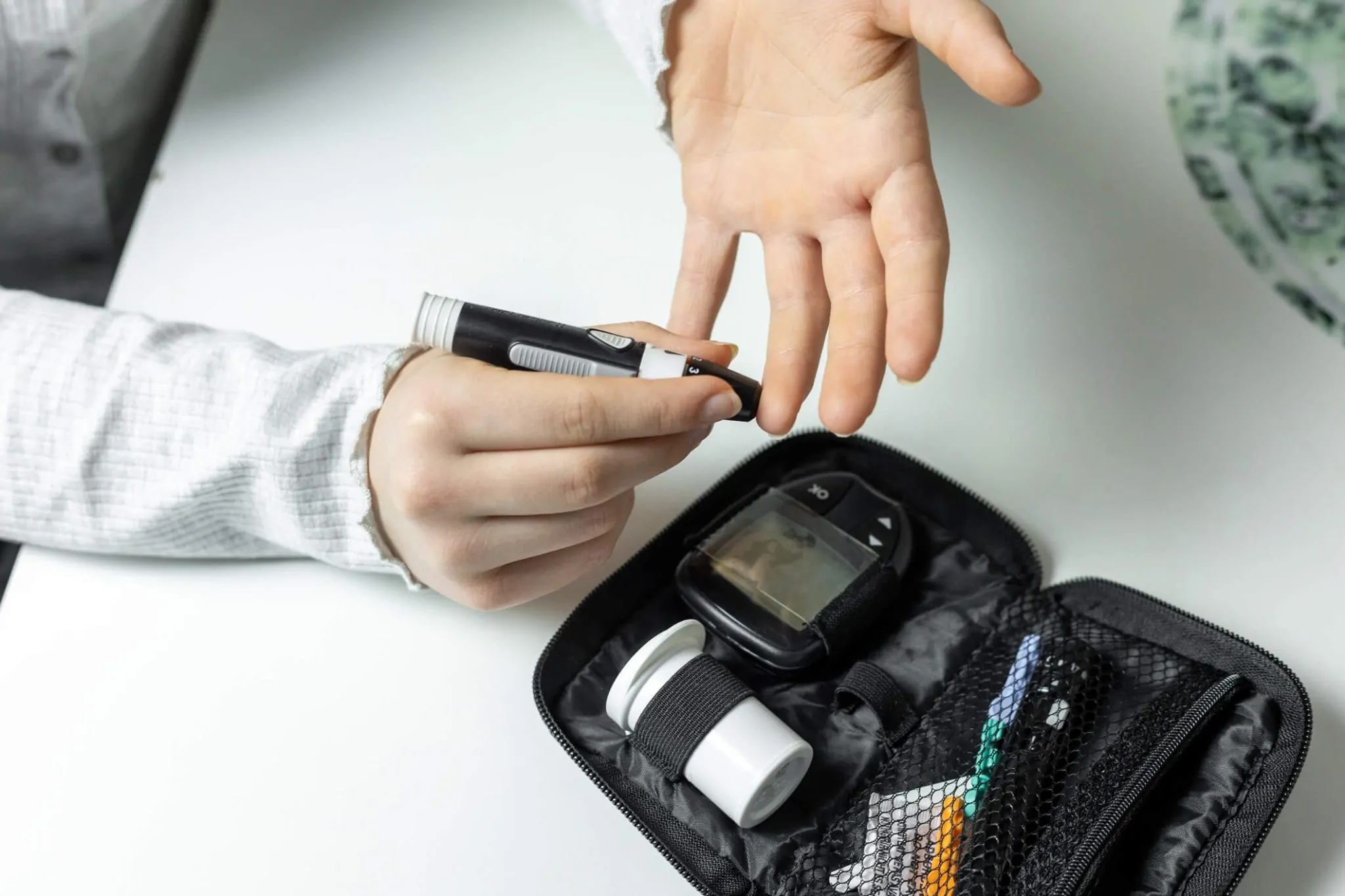
Unused blood glucose test strips may have significant financial worth, particularly for those who have excess supplies because of brand switching, prescription modifications, or better health management. But not every test strip has the same cost. Buyers’ willingness to pay is influenced by a number of significant elements. Sellers may optimize their profits and make wise choices when joining the resale market by being aware of these factors.
Demand For Brands And Markets
The brand is one of the most important variables influencing the cost of unused test strips. Because they are always in demand, well-known and popular brands often have greater resale values. Because established products are dependable and compatible with widely used glucose meters, consumers choose them. Resale platforms are more inclined to provide competitive prices when there is a strong demand for a certain brand.
However, since there is less demand, lesser-known or out-of-date brands could sell for less money. Another factor is market trends. A brand’s resale value may change if it becomes more well-known or easier to get via insurance coverage.
Date Of Expiration
One of the most important factors in determining price is the expiry date. Test strips with an extended shelf life are given priority by buyers. Payouts are usually greater for strips that have at least six to twelve months left before expiry. This is due to the fact that they may be used safely or resold without worrying about decreased accuracy.
Some buyers still take test strips that are about to expire, but their bids are often far lower. Expired strips may not be accepted at all in some situations. As a result, selling early and monitoring expiry dates might assist in ensuring a higher price.
The Amount Being Sold
Pricing may also be impacted by a seller’s quantity of boxes. Because many buyers provide incentives or slightly higher prices for larger quantities, bulk selling often results in higher total revenue. This lowers the cost of processing and shipment for purchasers, increasing the appeal of large purchases.
Smaller amounts are still acceptable, albeit they may not be eligible for premium rates. Waiting until they have a larger quantity to sell might be advantageous for vendors who amass unwanted items over time.
Dynamics Of Supply And Demand
Supply and demand affect the cost of unused blood glucose test strips, just as in any other market. Prices may decrease when certain brands are readily available. On the other hand, a brand’s resale value may improve if it becomes rare or faces greater demand.
Demand may also be impacted by seasonal patterns and changes in healthcare. Changes in insurance coverage or the introduction of new products, for example, may alter consumer preferences and have an effect on market price structures.
Pricing Lists And Buyer Policies
Different purchasers have their own rules and processes for pricing. Price lists detailing the costs associated with certain brands and conditions are published by several businesses. These listings are updated often in response to changes in the market.
Before making a sale, sellers may use structured pricing instructions from platforms like More Cash For Test Strips to determine the worth of their items. Sellers may compare bids from many purchasers and get a good notion of what to anticipate by looking over such pricing lists.
Safety And Regulatory Aspects
Pricing is also impacted by health and safety standards. To guarantee that test strips are safe for distribution or resale, buyers must adhere to regulations. This implies that only goods that adhere to stringent requirements, such as appropriate handling and storage, are accepted.
Regardless of a product’s brand or expiry date, it may be rejected if it doesn’t match certain standards. By adhering to appropriate storage procedures, sellers may steer clear of these problems and get higher pricing.
In Conclusion
A number of variables, such as brand reputation, expiry date, condition, quantity, and market demand, affect the cost of unused blood glucose test strips. Comprehending these components enables vendors to make tactical choices and optimize their profits.
Unused medical supplies may be turned into a useful resource by paying attention to packing, selling before they expire, and checking buyer pricing lists. What may seem to be surplus inventory might become a significant source of additional revenue with the correct strategy.