




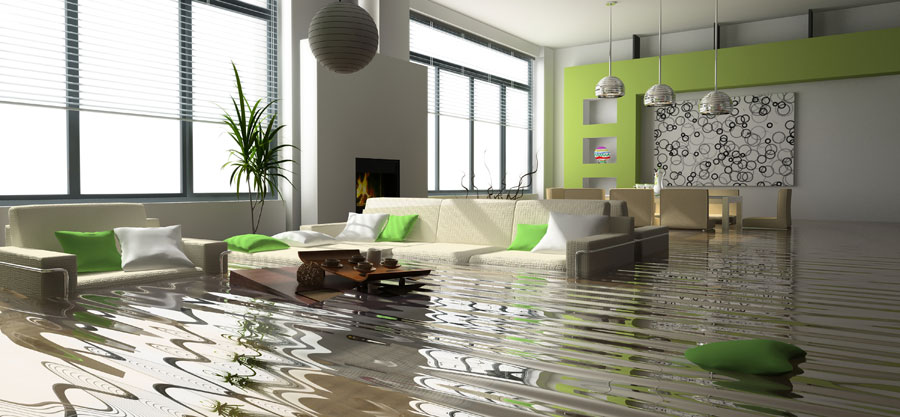
A home damaged by water might suffer from structural problems, health risks, and financial hardships. Whether from burst pipes, flooding, or leaks, water intrusion can compromise the integrity of a property and pose serious risks to its inhabitants. Addressing water damage promptly and effectively through professional restoration services is crucial not only for preserving the structural integrity of the home but also for maintaining a healthy living environment.
Knowing About Water Damage
When water seeps into and affects the components and systems of a structure, a wide range of problems are brought about. This is known as water damage. This can include:
Structural Damage: Water weakens materials like wood, drywall, and insulation, leading to warping, swelling, and potential collapse.
Mold Growth: Moisture provides the perfect conditions for mold and mildew to grow, which can spread fast and lead to allergies and respiratory problems.
Health Hazards: Mold growth and standing water can hold bacteria, viruses, and poisons that are harmful to human health, particularly to the elderly, young children, and people with respiratory disorders.
Electrical Hazards: Water can damage electrical systems and appliances, leading to shorts, shocks, or fires.
Reduced Property Value: Untreated water damage can significantly reduce the resale value of a home due to visible damage and lingering issues.
Importance Of Prompt Restoration
1. Preventing Mold And Mildew
One of the immediate concerns after water damage is mold growth. Mold spores are present in the air and can settle and grow on damp surfaces within 24-48 hours. Expertise and tools enable water damage restoration businesses to rapidly dry out impacted areas, avoiding the growth of mold and mildew. This preserves the home’s structural integrity as well as the quality of the indoor air, averting respiratory disorders and other health concerns linked to mold exposure.
2. Preserving Structural Integrity
Walls, flooring, ceilings, and even the foundation of a house can all become weakened by water. Prompt restoration helps mitigate this damage by drying out saturated materials and preventing further deterioration. The risk of long-term structural problems is decreased by using structural drying techniques like dehumidification and specialist drying equipment to guarantee that all moisture is successfully removed.
3. Ensuring Safety
Water-damaged homes can pose significant safety hazards, from weakened floors and ceilings to electrical dangers. Comprehensive examinations to determine the level of damage and pinpoint any safety concerns are part of professional restoration services. They can safely mitigate hazards such as electrical issues and structural instability, making the home safe for occupants and preventing accidents.
Stay Informed: Check out Submit Guest Post for exciting opportunities and updates.
4. Preventing Secondary Damage
If water damage is not adequately managed, it frequently results in subsequent damage. This includes damage caused by mold growth, corrosion of metal surfaces, and deterioration of building materials over time. Restoration experts can prevent more damage and spare homeowners from further expenses and frustration by responding to water damage quickly and completely.
5. Mitigating Financial Loss
Repairing water damage can be expensive, particularly if it causes significant structural damage or a mold infestation. Prompt restoration not only reduces repair costs by preventing further damage but also helps homeowners save on potential health-related expenses associated with mold exposure. Additionally, many insurance policies require prompt action to mitigate damages, and professional restoration services can assist homeowners in navigating the insurance claims process.
Steps In Professional Water Damage Restoration
1. Assessment And Inspection
Performing a thorough assessment of the damage is the initial stage of the repair process. Restoration professionals inspect the affected areas to determine the extent of water intrusion and assess the damage to materials and structures.
2. Water Extraction
Removing standing water is the first step in mitigating water damage. Restoration technicians use pumps and specialized equipment to extract water quickly and efficiently from the home.
3. Drying And Dehumidification
Once excess water is removed, drying and dehumidification processes begin. Industrial-strength air movers and dehumidifiers are used to dry out damp materials and reduce humidity levels to prevent mold growth.
4. Cleaning And Sanitizing
Affected surfaces and belongings are thoroughly cleaned and sanitized to prevent microbial growth and remove contaminants. This may include disinfection treatments to ensure the Safety and health of the occupants.
5. Restoration And Reconstruction
The last phase is to restore the house to its pre-damage state. This may include repairs to damaged structures, replacement of materials such as flooring and drywall, and restoration of affected belongings.
Conclusion
A homeowner’s health, financial security, and the structural integrity of their property can all be significantly impacted by water damage. In order to reduce these risks and preserve a healthy living environment, prompt and efficient water damage restoration is crucial. Property owners may safeguard their investments, maintain the structural integrity of their properties, and guarantee the safety and well-being of their families by promptly resolving water damage and utilizing expert repair services.